- Published on
An Update on How I Feel About AI
- Authors

- Name
- Edwin Popham
Living through the AI boom as a full-stack engineer in Brisbane, I've gone from sceptic to cautious optimist — but only just. Here's where my head's at now, five years into this wild ride.
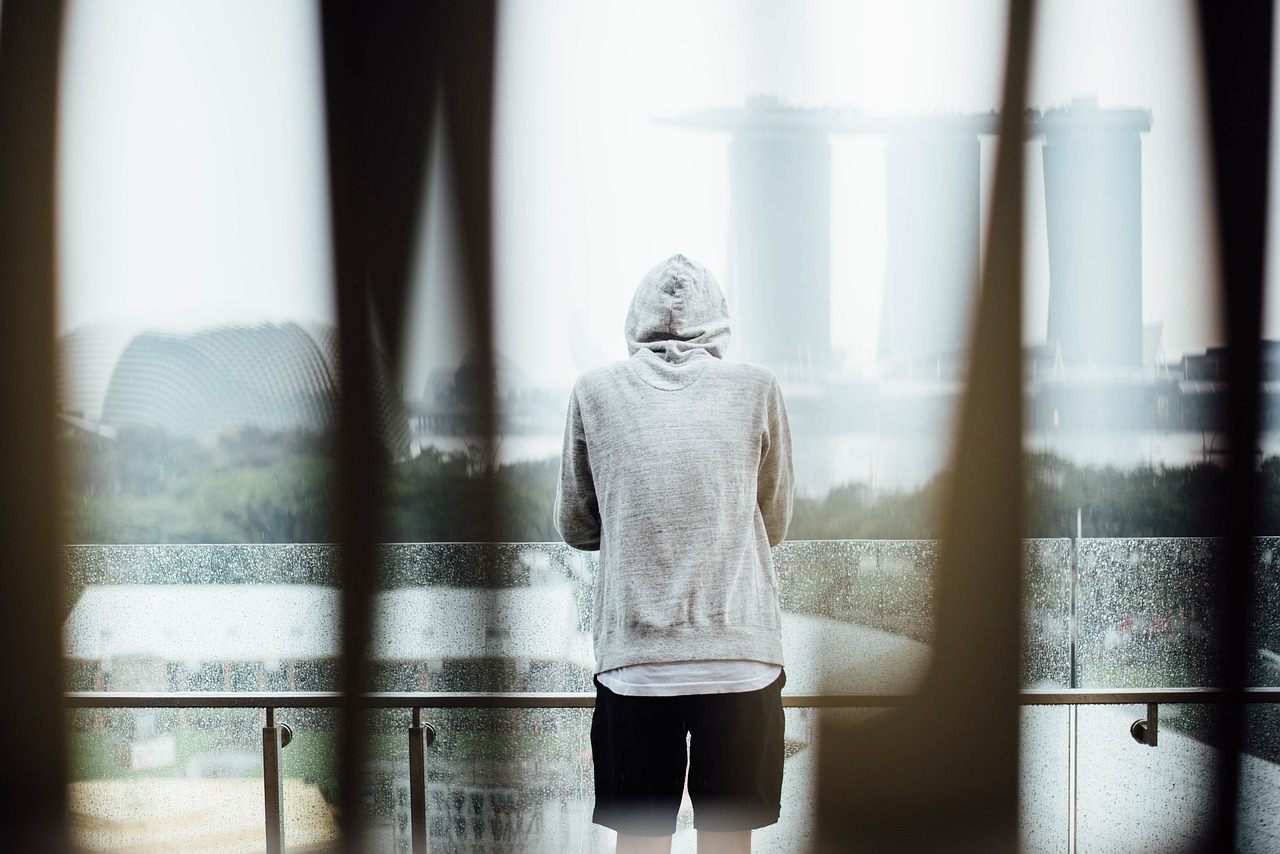
I accept that things will change, and I try not to fight changes that genuinely improve quality and efficiency. At the same time, I worry about the bigger-picture impacts of AI on the world, far beyond whether it can help me write code a bit faster. There's always a human somewhere on the other side of an "efficiency gain".
I keep wondering who is going to be displaced or hurt by this new wave of AI tools. Some reports suggest AI will create more jobs than it destroys, but that doesn't help much if you're in the group getting disrupted and you don't have the safety net, skills, or spare time to reskill quickly. The benefits and the pain are not evenly distributed.
Right now it feels like AI mostly amplifies the power of people and organisations who were already extremely wealthy. The cost of the cutting-edge models, the data centres, and the GPUs means the biggest gains are flowing to a handful of tech giants and investors, while the average worker is still trying to work out if their job will exist in five years. That imbalance is hard to ignore.
On the flip side, it's clear AI will accelerate scientific discovery and health breakthroughs in a way that would have been science fiction a decade ago. From drug discovery to earlier diagnosis to personalised treatment plans, there are genuinely life-changing applications emerging. That's the part of the story that makes me want to lean in rather than tap out.
But if you look at where a lot of the investment is going right now, it doesn't feel like the balance is quite right. So much money and talent is being poured into things like image generation, ad optimisation, and cranking out more business software and content. Those things have value, but they feel like small upgrades for humanity compared with what's possible in areas like medicine, climate, or education. In my gut, that mismatch between potential and priority is what makes this whole AI boom feel off.
What do you reckon? Are you all-in on AI, or does the hype leave you uneasy too? Drop a comment — especially if you're a fellow engineer, rugby tragic, or homesteader navigating this shift.